

Mobility Aids - Empowering People to Rewrite the Story of What's Possible
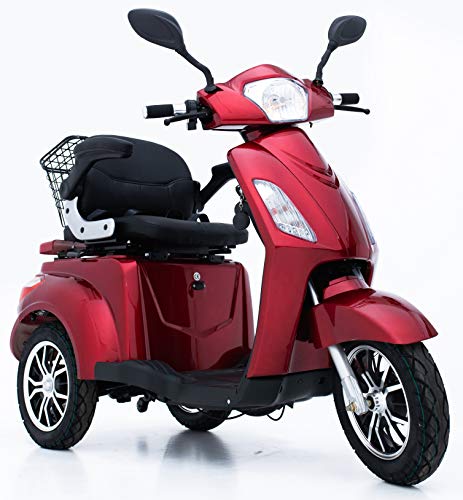
Mobility aids help individuals who suffer from disabilities and long-term health issues to move about. These aids can range from walking frames and canes to wheelchairs and mobility scooters.
Physiotherapists and occupational therapists can advise you on the most appropriate mobility aid for your requirements. They will take into account your medical history and lifestyle requirements.
They help you move around
Mobility aids can help those who are recovering from an accident or suffer an ongoing disability to get around. They can also alter their surroundings. These devices allow people to move with confidence, whether using crutches or walking frames. By helping users overcome their limitations and redefine their lives, they can turn daily tasks into accomplishments and social events into opportunities.
It is important to choose the right device for your needs in order to ensure safety and independence. It is crucial that the device is fitted by a qualified medical professional and adhere to their maintenance schedule as recommended in order to avoid this could result in accidents. Physiotherapists and occupational therapists are the best qualified to determine a person's individual needs and prescribe an aid for mobility.
Many people are reluctant to use mobility aids despite their advantages. This is because of a stigma that surrounds them, which has been linked with feelings of shame, depression and self-pity. Many people are also worried that using a device for mobility will make them appear weak and old. In an investigation of non-device users one Black participant said that she did not want a handicapped placard because she didn't want to be perceived as "crippled," and "an old woman."
In order to reduce the negative perception of mobility aids and increase the use of mobility aids, it is vital that health professionals encourage their usage in a positive light. They should stress that mobility aids can reduce the risk of falling and allow one to leave the house without being worried about being tired or a danger to others. It is also important to remember mobility aids don't replace exercise, but rather assist it.
With this information when you meet someone who is using mobility aids, take the time to ask them what it has done for them and how it's changed their lives to the better. Your loved ones can enjoy freedom and enjoy life to the fullest by using the proper mobility aid.
They relieve pressure from the affected areas
Mobility aids eases the pressure of areas affected by an injury or disability. This is especially beneficial for those suffering from an illness such as cerebral palsy, arthritis or diabetes which affects the legs and feet. This can help prevent further injuries or even breakage of the impacted area, and make it possible for those with limited mobility to get around with ease.
The mobility devices available can lift an enormous amount of weight off of the affected foot, leg or hip, knee or ankle. They can also ease the pain associated with these conditions and make them easier to manage. The recommended device will vary depending on the severity of the problem and should always be dependent on the individual's requirements, lifestyle, and environment.
Mobility aids can provide a variety of benefits, but they are often difficult for older people to accept. This is particularly the case for those who aren't used to using them. In a study, researchers found that a large number of seniors who would benefit from using mobility aids avoid doing because they fear being stigmatized. This finding was particularly common for Black and Hispanic participants, who feared being perceived as "posers" who were not really in need of their devices or were simply trying to gain an advantage.
To overcome these feelings of stigma To combat these feelings of stigma, it is crucial to discuss the use of an aid for mobility with the help of a healthcare professional who is knowledgeable about the available options. This will ensure that the person is trained to use the device and can gain the most benefit from it. This may include occupational therapists or physiotherapists who can provide essential instructions and guidance on how to use the device safely. The healthcare professional can also suggest exercises and techniques to increase mobility. These exercises can improve the strength of your muscles and improve your balance, reducing the risk of falling caused by the device or user.
They give you a new outlook on life
Mobility aids aren't just a tool; they empower people to rewrite the story of what's possible. They remove you from limitations, and they allow you to move with confidence. You can live your life to the fullest whether you're cruising on scooters or exploring the world on crutches.
Participants of all races and ethnicities benefited from mobility aids because they wanted to be self-sufficient. They wanted to "go where they want, on their own, without waiting for anyone," and they didn't want to be seen as burdens. amazon electric mobility scooters felt stigmatized by mobility aids. They were afraid that they would be seen as old, in declining health or suffering from disabilities.
This stigmatization can discourage some users from using mobility devices, particularly those from minority groups. This can be addressed by increasing the involvement of physicians, creating positive peer models, and offering affordable, secure, visually appealing devices.
Most people use a cane or walking frame as their primary mobility aid. They provide stability by adding an extra point of contact with the ground. They also increase the person's center of gravity, which helps prevent falls. These are especially beneficial for those who are prone fall like those with health conditions that hinder their balance or older adults.
Another common mobility aid is the stairs lift. Stairlifts are a great option to reduce time throughout the day, since they eliminate the need to climb or climb stairs. This allows users to safely carry out their daily life and spend time with loved ones without having to worry about safety or falling down the stairs.
If you're thinking of purchasing mobility aids or device, an Occupational Therapist (OT), or Physiotherapist(PT) will evaluate your needs. They can recommend the best device for your needs based on a comprehensive functional capacity assessment that takes into account gait and balance, cognition and cardiovascular, musculoskeletal, and neurological systems. They can also prescribe the device and recommend accessories to enhance the personalization and performance. Many of these devices are able to be funded through the National Disability Insurance Scheme.
You can afford it
Whether you need a mobility aid for just a few months or are seeking a way to enjoy the outdoors and convenience of a scooter for the rest of your life, it's essential to be aware of the numerous options to choose from. You might be tempted to purchase one online but it is essential to speak with a medical professional or mobility specialist to find the most appropriate solution for your unique needs and preferences.
It is important to keep in mind that the correct mobility device will relieve away the pressure on your affected areas, enabling you to move more effectively and reduce discomfort, pain, and risk of falls. The aim is to enable you to take part in activities that are meaningful to you and to redefine what you think is possible.
Mobility aids aren't only high-tech tools and gadgets they're paths to freedom. Mobility aids can help you achieve independence by improving your balance and stability, strengthening muscles and improving your walking patterns.
There are many options for everyone, from walkers and canes to wheelchairs. If you're thinking about getting a wheelchair, you should have a consultation by a medical professional and physical therapist to find out exactly what you need in terms of assistance.
Think about the terrain you'll be facing, whether there are stairs involved, and the weight you can comfortably carry. It's also important to make sure that the wheelchair you select can pass through all doors and has all-terrain tires to take on outdoor challenges.
Accessories include storage pouches, trays, cup holders and much more. It's important to not go overboard with accessories, as they could hinder the device's ability absorb shocks as well as its mobility.